How to Cook Each Species: Techniques by Texture
The most common mistake in cooking mushrooms is the same mistake for every species: low heat in a crowded pan. Mushrooms are 85–95% water by weight. When too many are placed in a pan that isn't hot enough, they release their water faster than it can evaporate, and the mushrooms steam instead of sear. Steamed mushrooms are rubbery and bland. Seared mushrooms — cooked in a hot, uncrowded pan — develop the Maillard reaction and produce the deep, savory, complex flavor that makes people compare mushrooms to meat.
Key Takeaways
- 1High heat + uncrowded pan = sear, not steam — the single most important rule
- 2Salt only at the end — it draws out moisture during cooking
- 3Shiitake stems are too tough to eat but make excellent stock — never discard them
- 4Dried mushrooms concentrate umami — the soaking liquid is as valuable as the mushroom itself
Oyster Mushrooms: Quick and Hot
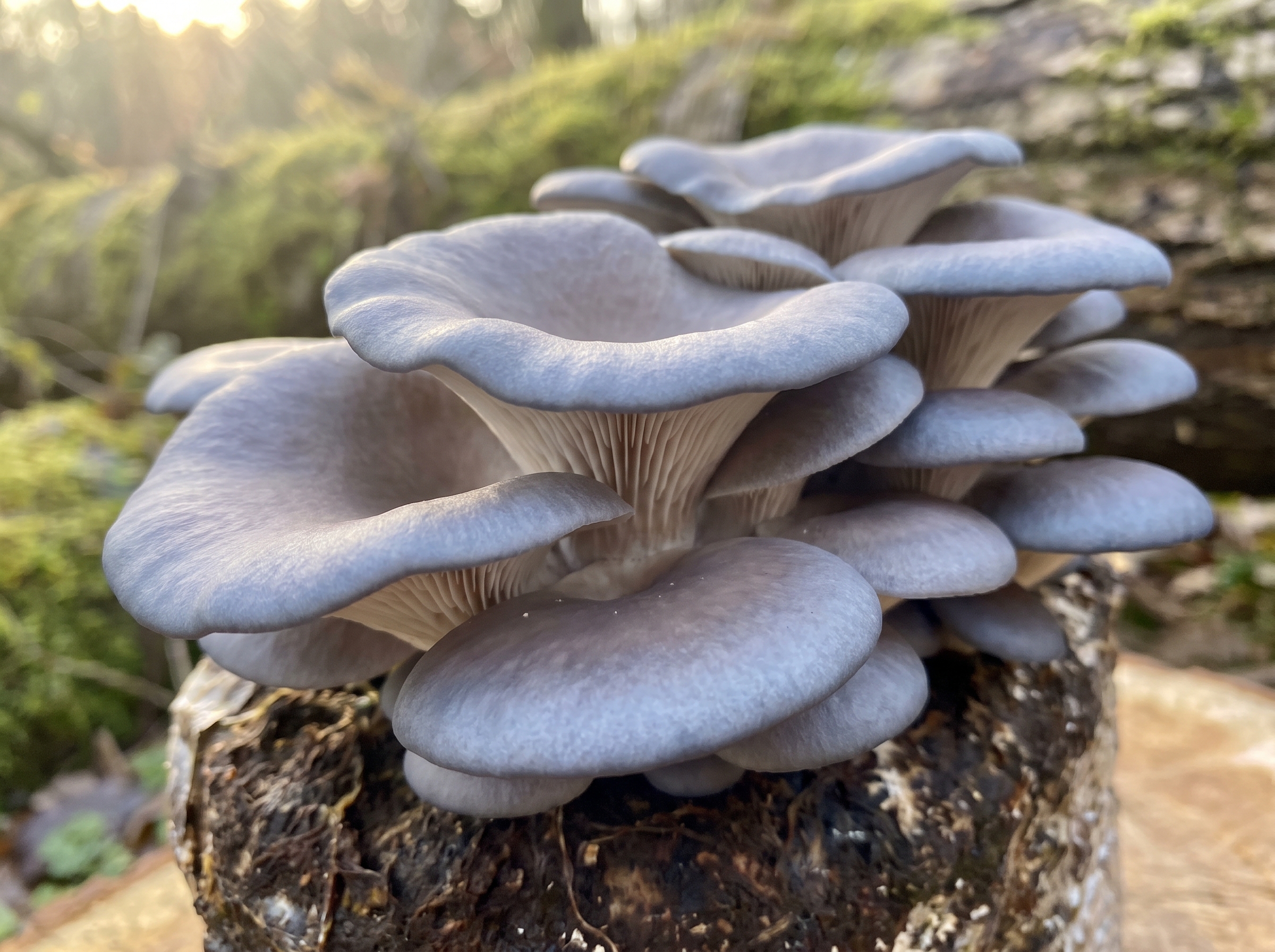
Blue, Pink, and Golden Oysters have a delicate, tender texture that overcooks quickly. Heat a pan (stainless or cast iron) over high heat until smoking. Add oil (not butter — it burns too fast at this stage), then add mushrooms in a single layer. Do not touch for 2 minutes — let them sear. Flip once, add butter and garlic, and cook 1–2 more minutes. Total cook time: 4–5 minutes. Season only at the end — salt draws out moisture. Pink Oyster: cook especially fast, 3 minutes maximum to preserve color. Golden Oyster: same technique, pairs beautifully with soy sauce and sesame oil.
Shiitake: Building Umami
Shiitake has more moisture than oysters and benefits from a slightly longer cook time. Always remove the tough stems before cooking (save them for stock — they are packed with umami compounds). Slice caps thick (1cm) so they don't disappear in the pan. Cook in sesame oil over medium-high heat for 5–7 minutes, stirring occasionally. The mushrooms should shrink by about half and develop a rich golden-brown color. Finish with soy sauce, mirin, and a splash of sake for an authentic preparation. Dried Shiitake should be rehydrated in warm water for 20 minutes — the soaking liquid is liquid gold for stocks and sauces.
Lion's Mane: Treat It Like a Steak
Lion's Mane has the highest moisture content of any cultivated mushroom — and its seafood-like flavor and lobster-like texture are only realized when that moisture is properly driven out. Slice into 2cm thick slabs (not pulled apart — keep it intact for a better sear). Press between paper towels for 10 minutes to remove surface moisture. Heat cast iron until smoking, add oil, and sear without moving for 3 minutes. Flip, add butter and thyme, baste for 2 minutes. The outside should be golden-brown and slightly crispy, the interior soft and moist. This preparation makes Lion's Mane genuinely impressive to non-mushroom-eaters.
Drying and Preserving Your Harvest
When you have a large flush, drying is the best preservation method. Slice mushrooms 5mm thin and dry in a food dehydrator at 115°F (45°C) for 4–6 hours, or in an oven on the lowest setting with the door slightly ajar for 2–3 hours. Mushrooms are fully dry when they snap cleanly rather than bend. Dried mushrooms concentrate their umami compounds and keep for 12 months in a sealed jar. To rehydrate: cover with warm (not boiling) water for 15–20 minutes. Use the soaking liquid — it contains the most flavor.